News/posts
January 2019: Festival of the Not, Newcastle

I'm delighted to return to Newcastle this month, once again as part of a production by CIRCA Projects + Giles Bailey. This time it's a festival, entitled Festival of the Not and taking place at the newly re-opened Star & Shadow Cinema. I'm thrilled to be part of this, as our work together in the summer of 2017 was an incredible experience, and I've also been following...
Kuusi Palaa: view from within season one
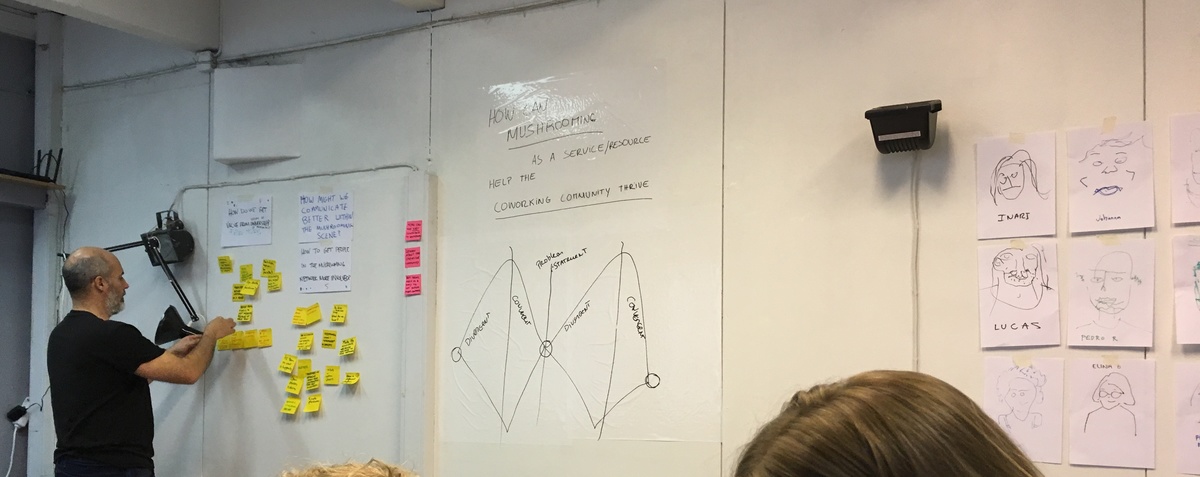
The Biathlon system that I have been co-developing since 2016 has been in use at Kuusi Palaa, a cooperatively operated project space in Helsinki. Kuusi Palaa opened on 1 March 2018 and will run at least until the end of June. The idea for Kuusi Palaa was to continue using the Biathlon tools that Temporary used (and operating in the same physical space), but to further decentralise the financing...
Report on the Northern Pen90s symposium
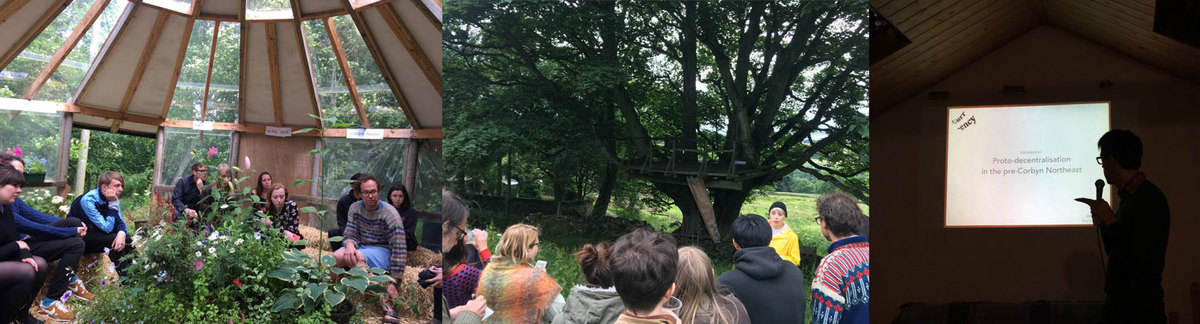
On Monday, 10 July 2017, I was honoured to host The Northern Pen90s: Interrogating the Curr-ency Collective 1992-1999 at the Burnlaw Centre, one of the main sites of Curr-ency’s original artistic activity.
This was the first time I have ever organised anything in the seminar/symposium format, and despite the limited time restraints we managed to produce a phenomenal event,...
World is Sudden: Summer Lab (+ bursaries available!)
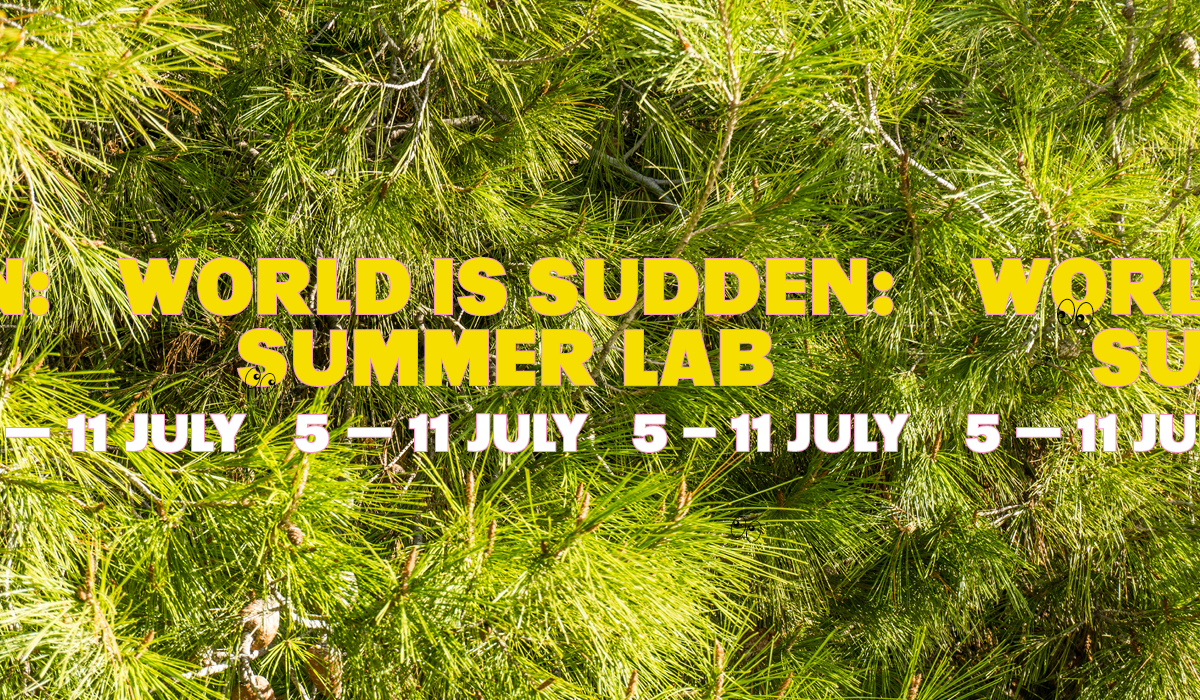
I'm honoured to have been invited to participate in the World is Sudden: Summer Lab project by Giles Bailey & CIRCA Projects next month. The project will take place in Newcastle, Gateshead, Sunderland and the North Pennines, and I'll be one of the artists along with Anne-James Chaton, Rory Pilgrim, Giles, Christian Jendreiko, Christo Wallers and the Glasgow Open Dance...
Travelling (report/upcoming): Sheffield, Athens, and Sofia
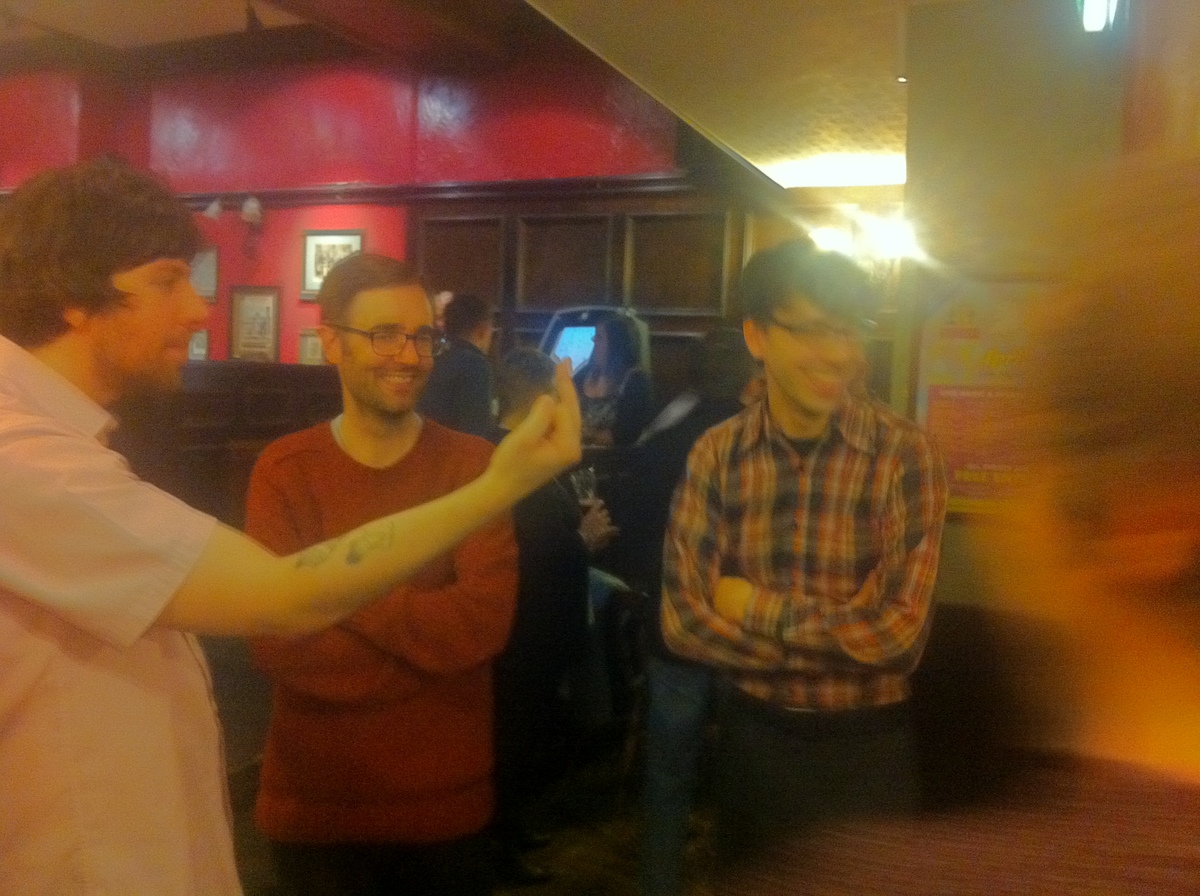
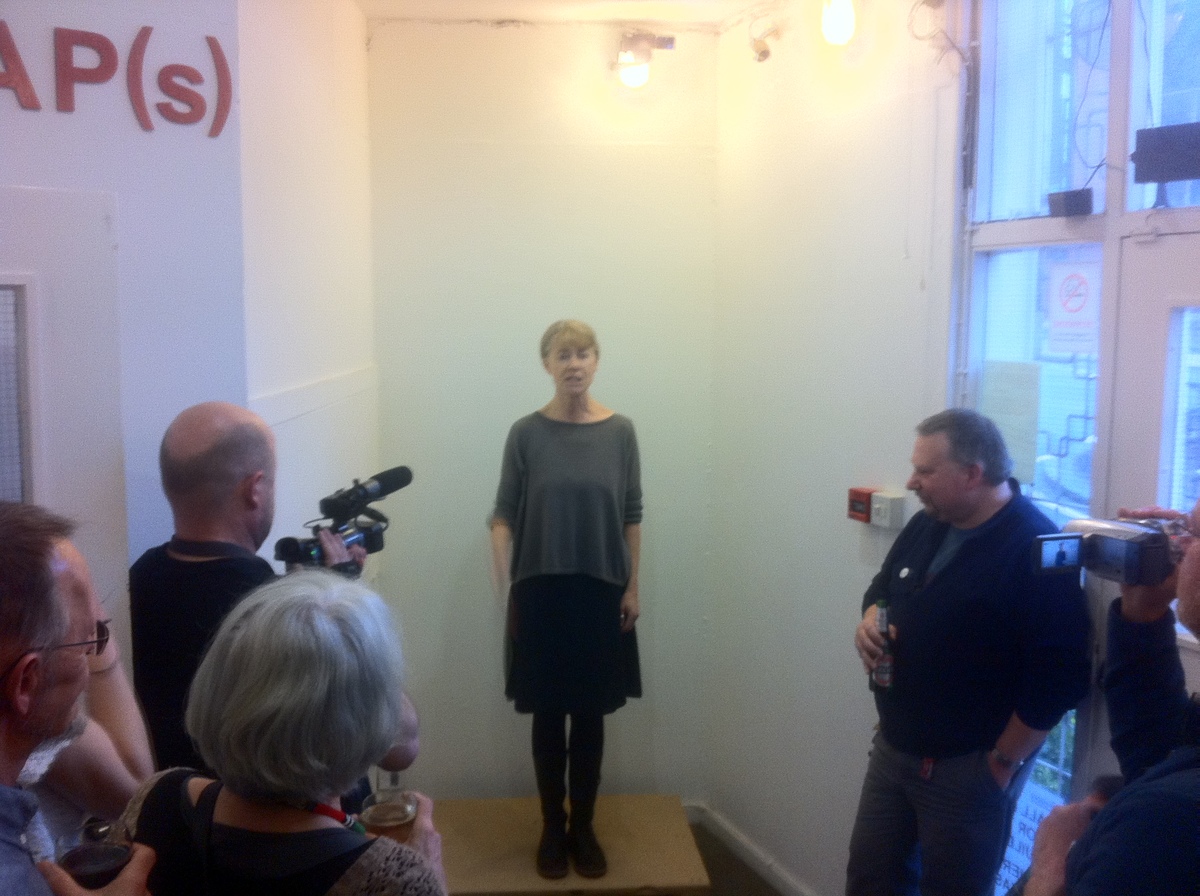
Earlier this month I spent a few days in Sheffield, a city which I had visited only twice before and never for such a lengthy stay. I was participating in the Open Sourcing Festivals project, a Pixel network venture that seeks to open up the process of creating education-based cultural festivals. The idea is we will create a 'festival toolkit', all leading up to a festival in Sheffield...
Followup to my open letter to the minister of culture
Yesterday, I wrote an open letter to the incoming Estonian culture minister, and against my better judgement I shared it on Facebook. What resulted was not surprising - a plethora of ‘likes’ from friends, and it was shared by about ten other people to wider audiences.
What disappointed me was that I wrote the piece not to actually communicate with the culture minister (I’m...
An open letter to the new Culture Minister in Estonia
Dear Urve Tiidus,
Congratulations on your appointment as the new Culture Minister of Estonia. I don't know anything about you, and I don't even know what specifically you can do as Culture Minister, but I welcome any potential change in culture policy in Estonia and wish you the best.
My hope in writing this letter is to encourage some discussion about the various forms of culture in...
Ptarmigan at Supermarket 2012
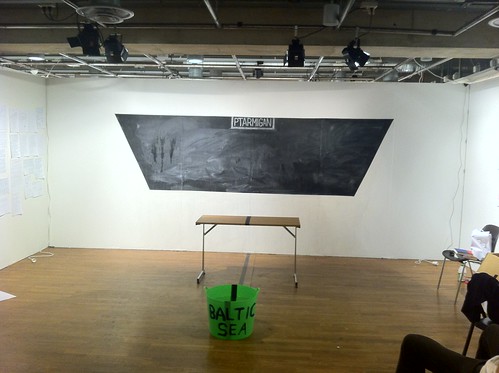
Last month, Ptarmigan went to Supermarket, the artist-run art fair in Stockholm. Thanks to the KulturKontakt Nord Mobility Programme for enabling this to happen - Sari Kivinen, Andra Aaloe, Lewis McGuffie and myself all attended, which was 4/5 of the Ptarmigan staffers and in a way, our first collective project as collaborating artists (outside of the regular administration of Ptarmigan).
...
Miscellaneous expertise @ MoKS AVAMAA 2010

Next month I will be coordinating a workshop entitled Miscellaneous expertise: performance, unlearning stories and public speech at the MoKS Kunsti ja Sotsiaalpraktika Keskus AVAMAA sympsium in Mooste, Estonia. This is a collaboration with my good friend Giles Bailey, and the workshop will take place over five days with the dissemination on the sixth.
We proposed Miscellaneous...
Musings on Mutopia: a week of collaboration in rural Estonia
I spent the last 10 days in Estonia, mostly at the MoKS AVAMAA 2009 ArtSymposium. While the symposium offered traditional workshops (on printmaking and sound electronics), I participated in Mutopia 3, an exploration of collaborative creative practices that is quite difficult to describe.

Led by MoKS coordinator John Grzinich, the name is intended to combine the idea of Utopia with the...